

Why I Stopped Recommending Off-the-Shelf CRMs to Growing Teams
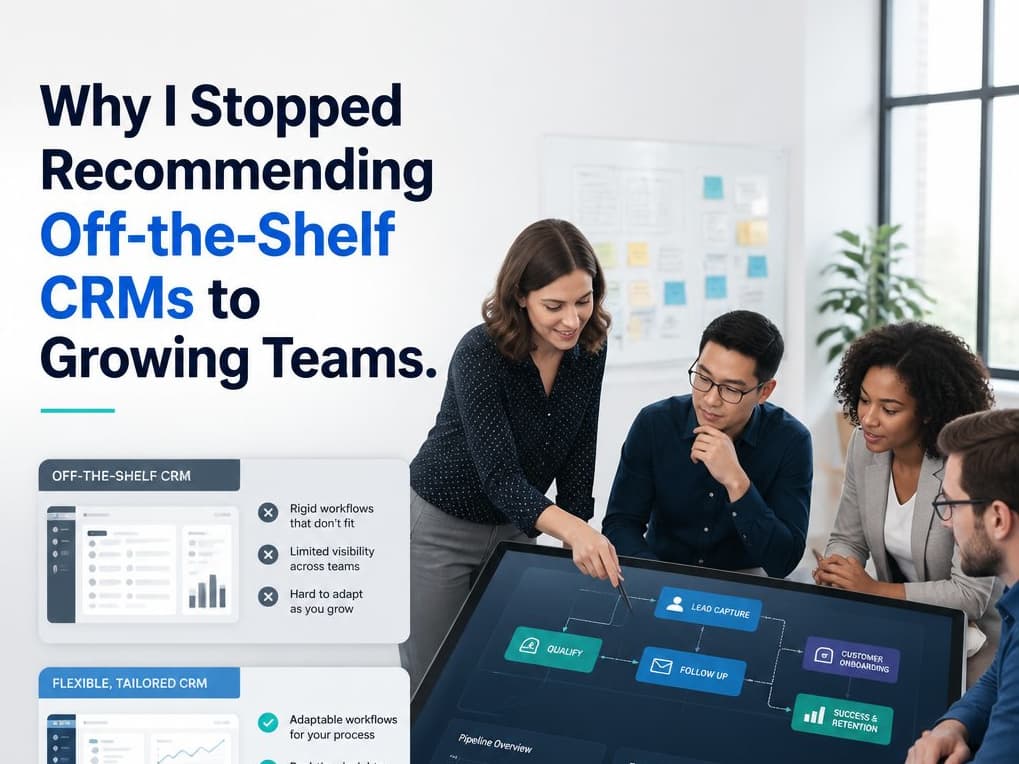
I used to tell every client to buy, not build. Here's the pattern that changed my mind about off-the-shelf CRMs — and the type of team it applies to.
Why I Stopped Recommending Off-the-Shelf CRMs to Growing Teams
For years my default advice was the same advice every sensible consultant gives: don't build a CRM. Buy one. The off-the-shelf CRM market is mature, the pricing is predictable, and nothing about your sales pipeline is as special as you think it is.
I'm Khalid Arafa, and I build custom CRM and ERP systems for growing businesses — which means clients expect me to say the opposite. For a long time I didn't. I talked more people out of custom builds than into them.
Then the same pattern kept showing up, client after client, until I couldn't file it as an exception anymore. By the end of this post you'll know exactly what that pattern is, and whether your team is inside it.
Tip
TL;DR — Buy an off-the-shelf CRM if your sales process is standard. But the moment your process becomes the reason customers choose you, a CRM that forces you into its process starts costing more than a custom one. You just pay in workarounds instead of invoices.
The advice I used to give
If you're a team of five with a normal funnel — lead comes in, someone qualifies it, someone quotes, someone closes — the big off-the-shelf products are genuinely good. They're battle-tested, they onboard fast, and the monthly bill is a rounding error next to one developer-day.
That advice is still correct for most businesses. Most companies don't have a CRM problem; they have a discipline problem, and no software fixes that. If your team won't log calls in HubSpot, they won't log them in anything I build either.
So this isn't a pitch that everyone should build. It's about a specific type of team I kept meeting.
Where off-the-shelf CRMs fail growing teams
Every business that outgrows the generic pipeline does it the same way. Their operating process — the thing that wins them customers — stops fitting the vendor's model of how a sale works.
I've watched it happen to very different companies:
- A property developer whose real pipeline was payment plans, unit swaps, and handover milestones — none of which map to "deal stages."
- A multi-branch clinic that needed marketing campaigns tied to patient recalls, not to a contact list.
- A distributor that promised same-day order confirmation because sales could see live branch stock. The CRM had no idea stock existed.
The failure is never loud. It arrives as customization creep: custom fields multiply, the workflow gets held together by a dozen Zapier automations, and every real question ends with "export it to Excel and I'll check."
Then comes the tell I now look for first: the shadow system. The CRM is still open in a browser tab, but the truth lives in a spreadsheet, a WhatsApp group, and one senior employee's memory. Once the truth moves out of the CRM, adoption is already dead — the team just hasn't announced it yet.
The bill arrives in year two, not year one
Off-the-shelf pricing is honest about year one and quiet about year three. Per-seat costs grow exactly as fast as the team you're trying to grow. The one feature you need next always lives in the plan tier above yours. And vendor lock-in means the workarounds you invested hundreds of hours in are not portable — leave, and you rebuild them from zero.
Here's the reframe that changed my mind: by the time a growing team is fighting its CRM, they have already built a custom CRM — a bad one, distributed across spreadsheets, automations, and tribal knowledge. They just never got to design it, and they pay for it in errors and slipped deals instead of a line item.
At that point, building properly isn't the risky option. It's the honest accounting of a cost they're already paying.
Who should still buy off the shelf
To be clear about the other side, buy — don't build — if:
- Your sales process would look familiar to any competitor in your industry.
- You're under roughly ten users and cash-constrained.
- Nobody in the company will own a custom system's evolution.
- You can't name, in one sentence, the process advantage the software must protect.
That last one is the real filter. "We want it tailored to us" is not a reason to build. "Our customers buy from us because we confirm orders in an hour, and no off-the-shelf tool can see our stock" — that is.
The question I ask now
Instead of defaulting to "don't build," I now ask one question: is your process a commodity or an asset?
If a competitor could adopt your pipeline tomorrow without blinking, it's a commodity — buy the commodity tool and spend your energy on selling. If your process is why customers pick you, then your software should encode that process, not fight it.
Wrapping Up
Off-the-shelf CRMs are still the right call for most teams — but "most" is doing a lot of work in that sentence. The teams they quietly fail are precisely the growing ones whose process became their edge, and those teams usually discover it a year after the workarounds started.
If you recognize the shadow-system stage, the useful next step isn't shopping for another subscription. It's writing down the process your business actually runs on, and asking what it would mean for software to match it.
Weighing build vs buy for your team? Browse my projects or get in touch — and if off-the-shelf is the right answer for you, I'll say so.
Related Posts
Related Articles
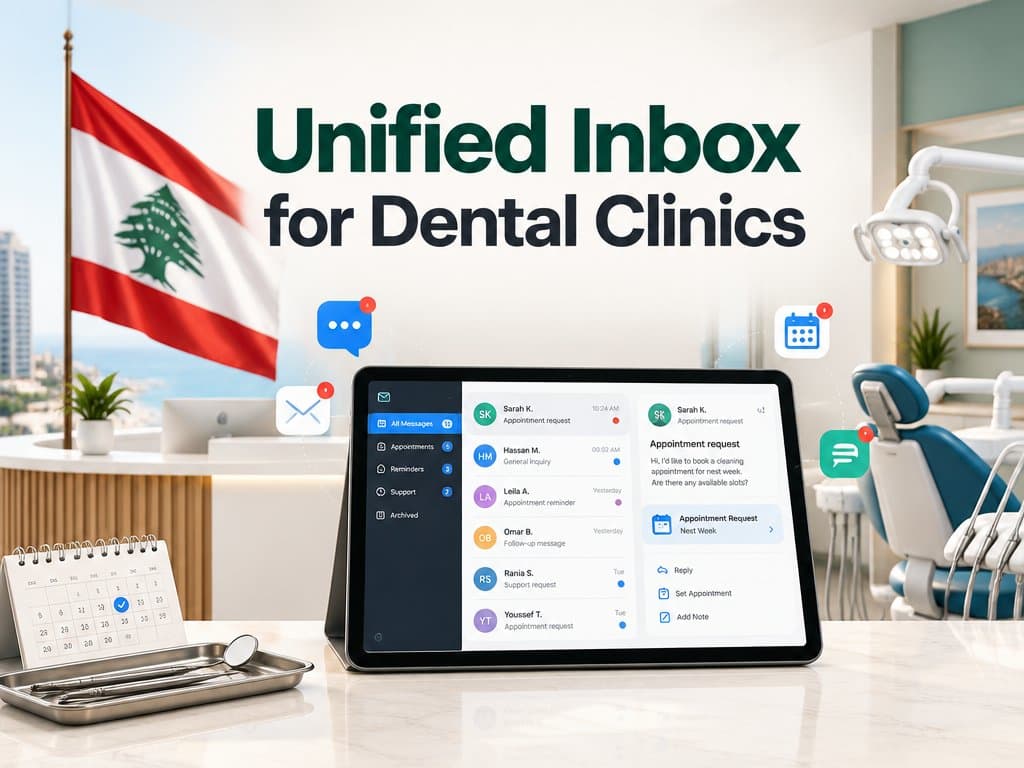
Building a Unified Inbox for Dental Clinics: Facebook, Instagram, and WhatsApp in One Patient Record
A patient DMs your Instagram, WhatsApps a question weeks later, then calls to book, three touchpoints your front desk sees as three strangers. Here's how a real unified inbox merges WhatsApp, Instagram, and Facebook into one patient record, built on official APIs instead of fragile integration.
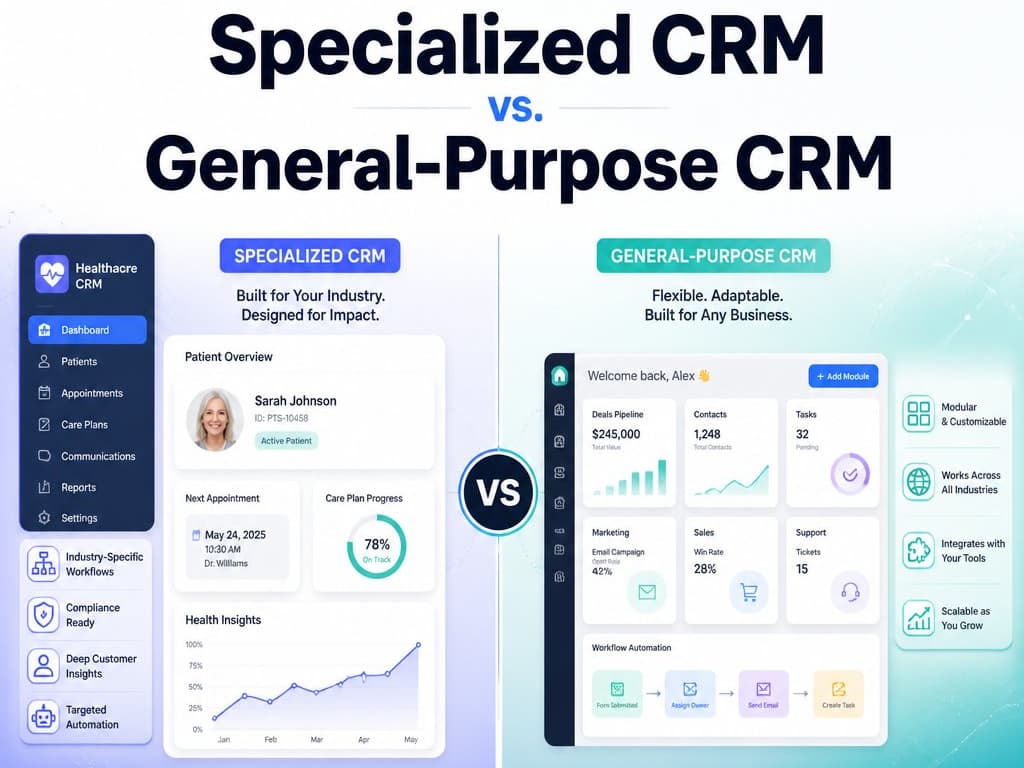
Specialized CRM vs. General-Purpose CRM: What Actually Fits a Gulf SMB
Not every business runs on a sales pipeline. A breakdown, from a decade building both general-purpose and specialized multitenant CRMs for Gulf SMB verticals, of when Zoho/HubSpot fits and when your workflow has quietly outgrown it.
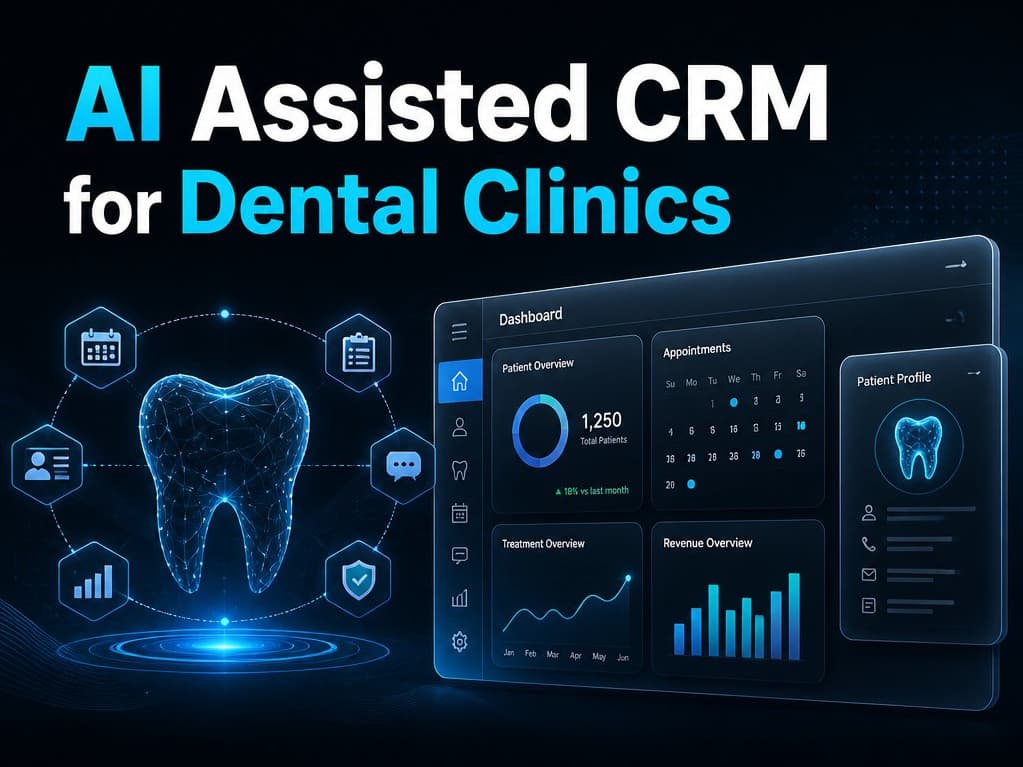
AI Assisted CRM for Dental Clinics in Qatar in 2026: A Practical Guide
Patients researching dental care increasingly ask an AI assistant first, and being visible there depends on having clear, structured, accurate information about your clinic publicly available services.