

How I Scope a CRM Project: My Discovery Process, Step by Step
Exactly what happens in the first two weeks of a CRM project, the questions, the data audit, and the written scope that prevents scope creep.
How I Scope a CRM Project: My Discovery Process, Step by Step
Most CRM projects fail before the first line of code. They fail in the first meeting, when everyone nods at a scope nobody wrote down.
I have seen it from both sides: the client who thinks they bought one thing, and the developer who thinks they were asked for another. The gap is never technical. It is a missing discovery process.
This is the CRM project scoping process I run before I quote a build. It takes about two weeks, it costs the client real time, and it is the main reason my projects do not end in a change-request war. By the end you will know exactly what happens in those two weeks and what I need from you to make them useful.
Tip
TL;DR, Scope the business process, not the feature list. Two weeks of discovery is cheaper than six months of building the wrong thing.
Why scope before the demo
A demo answers "what can this software do?" It does not answer "what does your business need?"
I do not demo before discovery. Not because demos are dishonest, but because a demo creates false agreement. Everyone leaves thinking they saw the same thing. The sales team saw pipeline automation. Finance saw reporting. Operations saw a workflow that does not match how they actually work. None of that surfaces until the build starts.
Discovery turns opinions into evidence: a written scope, a prioritised list, and an estimate both sides can argue with before the invoice exists. It also shows you where deals actually die in the current pipeline before anyone tries to automate it.
Week 1: stakeholders, tools, and the real workflow
The first week is interviews. I talk to the people who do the work, not only the people who bought the software.
The owner describes the business they want. The sales lead describes the pipeline they wish they had. The person who updates the spreadsheet describes the workaround that keeps the company running. The scope has to reconcile all three.
I ask four questions in every interview:
- Walk me through one record from start to finish. Which tool do you open first?
- Where do you copy information from one place to another?
- What do you check before you trust a number?
- What happens when this step goes wrong?
The answers reveal the real system: the spreadsheets, the WhatsApp groups, the shared drive, and the one person everyone asks. That is the system the CRM has to replace or integrate with. Ignoring it is how a new tool becomes a fifth copy of the truth.
Process mapping: follow one record end to end
I pick one representative record, a lead, an order, a patient, a student, and map its full journey. Every status change, every handoff, every document, every approval.
The map includes the exceptions because exceptions are where the cost lives: a late payment, a departed salesperson, a duplicate enquiry.
A process map is not a flowchart for the wall. It is the acceptance criteria for the build. If the system cannot handle the exception, the team will keep the spreadsheet.
This is also where I decide whether the client needs a CRM at all. Sometimes the honest answer is a smaller system, a better integration, or fixing one process before buying anything. The build-vs-buy trade-off is easier to judge once the process is on paper, and so is the reason off-the-shelf CRMs stop fitting growing teams.
The data audit nobody wants to do
The audit checks five things: how many records exist, how many are duplicates, which fields are actually used, which fields are trusted, and which records are legally or commercially sensitive. I do not need a perfect dataset to start. I need to know what we are migrating and what we are archiving.
The most common finding is that half the fields are empty and the other half mean different things to different teams. "Status" means one thing in sales and another in finance. "Active" means "has an account" to one person and "has ordered this year" to another. The CRM cannot fix that ambiguity. It can only make it visible.
Must, should, could: prioritise without lying
If everything is a must, nothing is. I use a simple three-column sort:
- Must: the process cannot run without it. Launch is blocked.
- Should: it removes real pain, but there is a manual workaround for a month.
- Could: it is useful, but nobody will notice in the first quarter.
The must list should be short enough to build, test, and train in one release. If it is not, the project is really two projects and the timeline should say so.
The CRM project scoping process, written down
At the end of week two, the client gets a document, not a verbal promise. It contains:
- The processes in scope, with the exception paths.
- The data migration plan and what will be archived.
- The integrations, named, with owners on both sides.
- The must/should/could list.
- The acceptance criteria for each must.
- The estimate, the assumptions, and the exclusions.
The change-control rule is one sentence: anything not in the document is a new conversation, priced before it starts. That is not bureaucracy. It is the only way to keep the original estimate honest. Without it, every "small addition" is free until the project is late and everyone is frustrated.
Estimate, timeline, and what I need from you
The estimate follows the scope, not the other way around. I price the must list, add a contingency for the unknowns found in discovery, and show the should list separately so the client can decide what to defer.
The timeline assumes the client side does its part. That means a decision-maker in the room, data access in week one, a named process owner for each area, and feedback within an agreed window. A project that waits two weeks for every answer is not a slow developer. It is a slow decision, and it is one of the reasons ERP implementations fail even when the software is fine.
What I refuse to start without
I will not start a build without four things: a named owner on the client side, access to the people who do the work, a data sample, and agreement that the written scope is the baseline. If any is missing, the project is not ready.
Wrapping Up
The scoping process is not paperwork. It is the project's first deliverable: a shared, written understanding of what the business actually does and what the system must replace. Two weeks here saves months later.
If you take one thing from this: scope the process, not the feature list. The features follow.
Planning a CRM build? See the sales systems we build or get in touch and we will start with the process map.
Related Posts
Related Articles
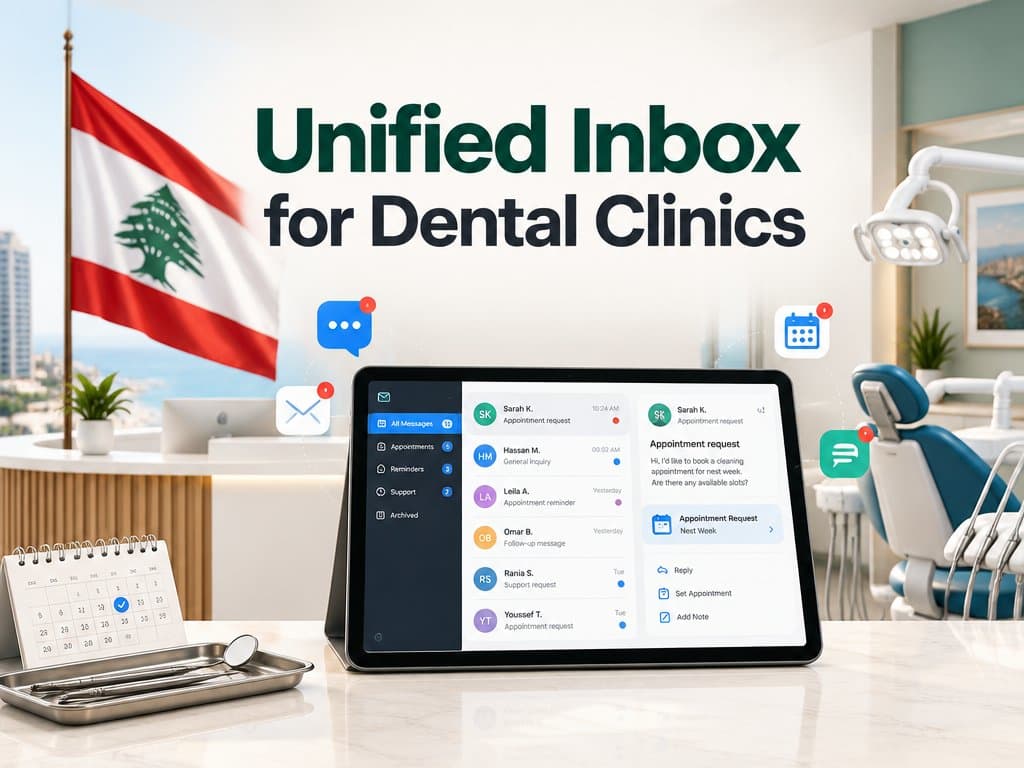
Building a Unified Inbox for Dental Clinics: Facebook, Instagram, and WhatsApp in One Patient Record
A patient DMs your Instagram, WhatsApps a question weeks later, then calls to book, three touchpoints your front desk sees as three strangers. Here's how a real unified inbox merges WhatsApp, Instagram, and Facebook into one patient record, built on official APIs instead of fragile integration.
Qatar PDPL and Data Residency: Where Your CRM Is Allowed to Live
Qatar is not Saudi. There is no general data-localisation rule, special-category data needs permission, and QFC entities follow a different regime.
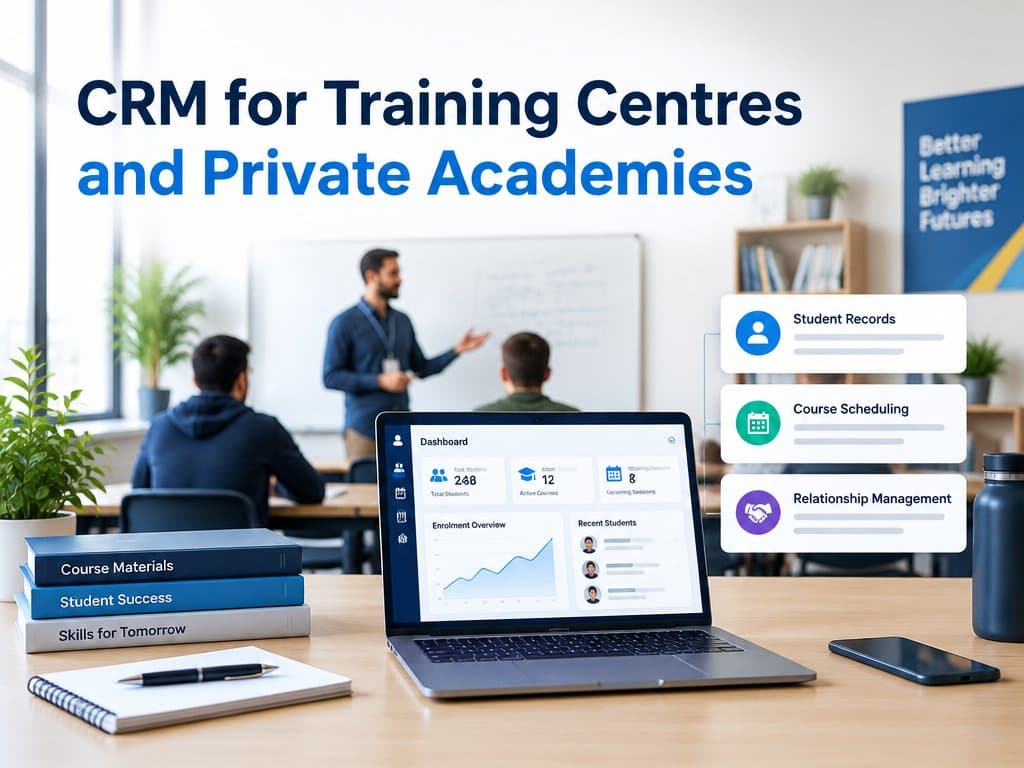
CRM for Training Centres and Private Academies
Enrolment, instalments, attendance, and re-enrolment are one funnel. Most academies run them as four disconnected systems and lose revenue in the gaps.